Blog
Introduction
The demand for single use plastics and packaging materials has surged drastically with nearly 43% of India plastic consumption coming from single-use plastics. India has become one of the largest contributors to global plastic pollution.

However, awareness is growing. As people embrace the concepts of eco-friendliness and sustainability, many are switching to bagasse-based products. Cafes, restaurants, and food chains are increasingly opting for eco-friendly tableware, while the new generation is actively choosing sustainable alternatives to protect the planet.
The Plastic Problem
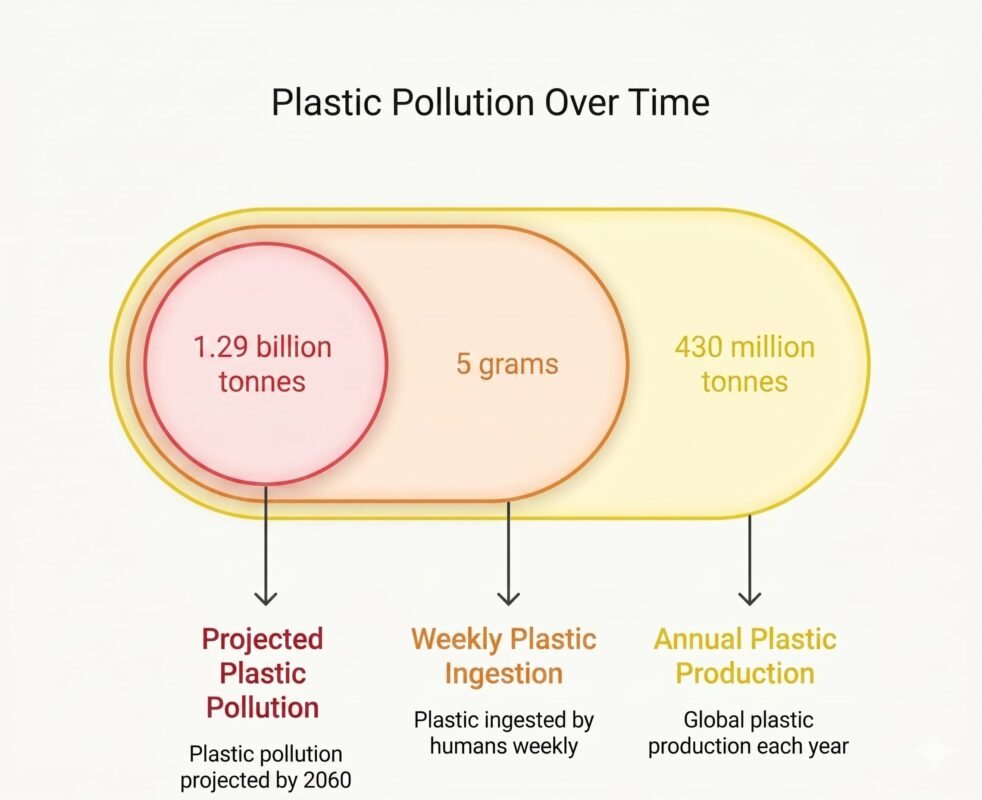
Globally, the world produces over 430 million tonnes of plastic every year, with almost two-thirds coming from wrappers, packets, and disposable utensils.
If no action is taken, plastic pollution is projected to triple by 2060. According to a 2019 Reuters infographic, an average human ingests about 5 grams of plastic every week.
This alarming reality has made the shift toward biodegradable, plant-based materials more urgent than ever.
The Eco-Friendly Solution
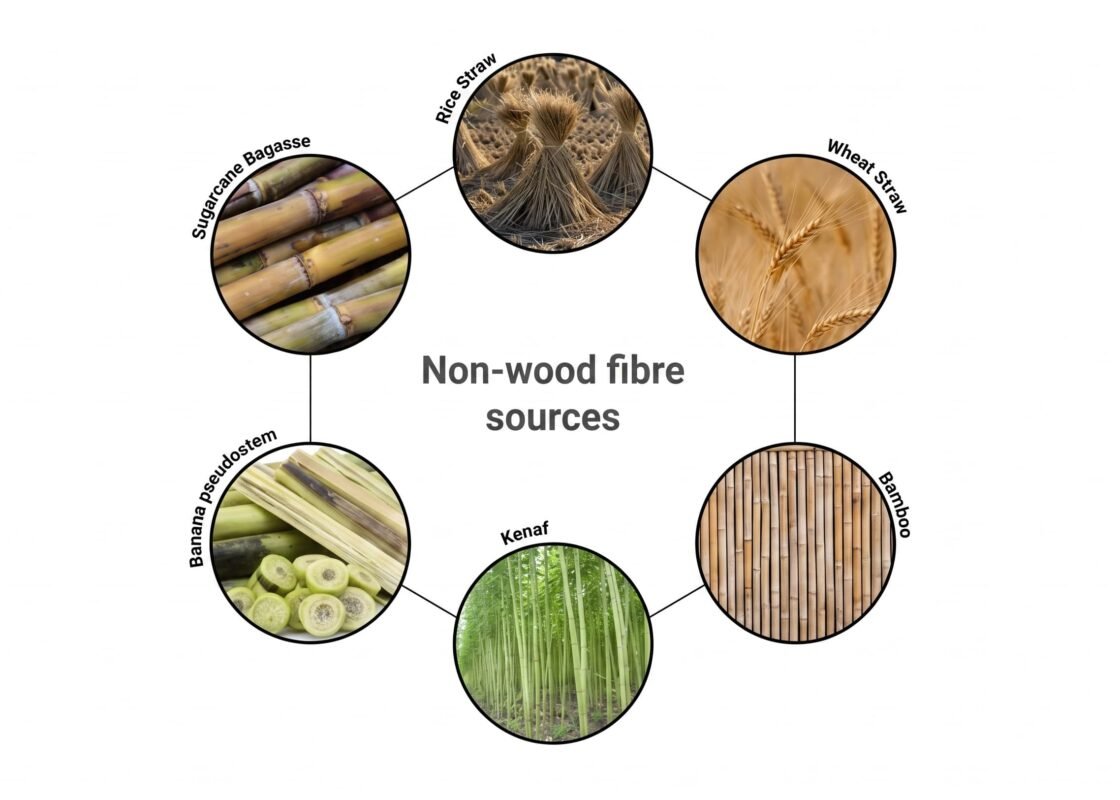
Sugarcane bagasse, Rice straw, Wheat straw, Bamboo and areca leaf have emerged as sustainable raw materials for producing eco-friendly disposable tableware.
Among these, bagasse tableware is leading the change offering a perfect blend of sustainability and convenience. Bagasse products are microwave safe, refrigerator friendly, and 100% compostable, allowing users to heat, store, and serve food in the same container without any environmental guilt.
T9 Green, a brand of Ecosure Pulpmolding Technologies Ltd. Provides premium-quality bagasse tableware that combines sustainability with style designed to replace harmful plastics in everyday use.
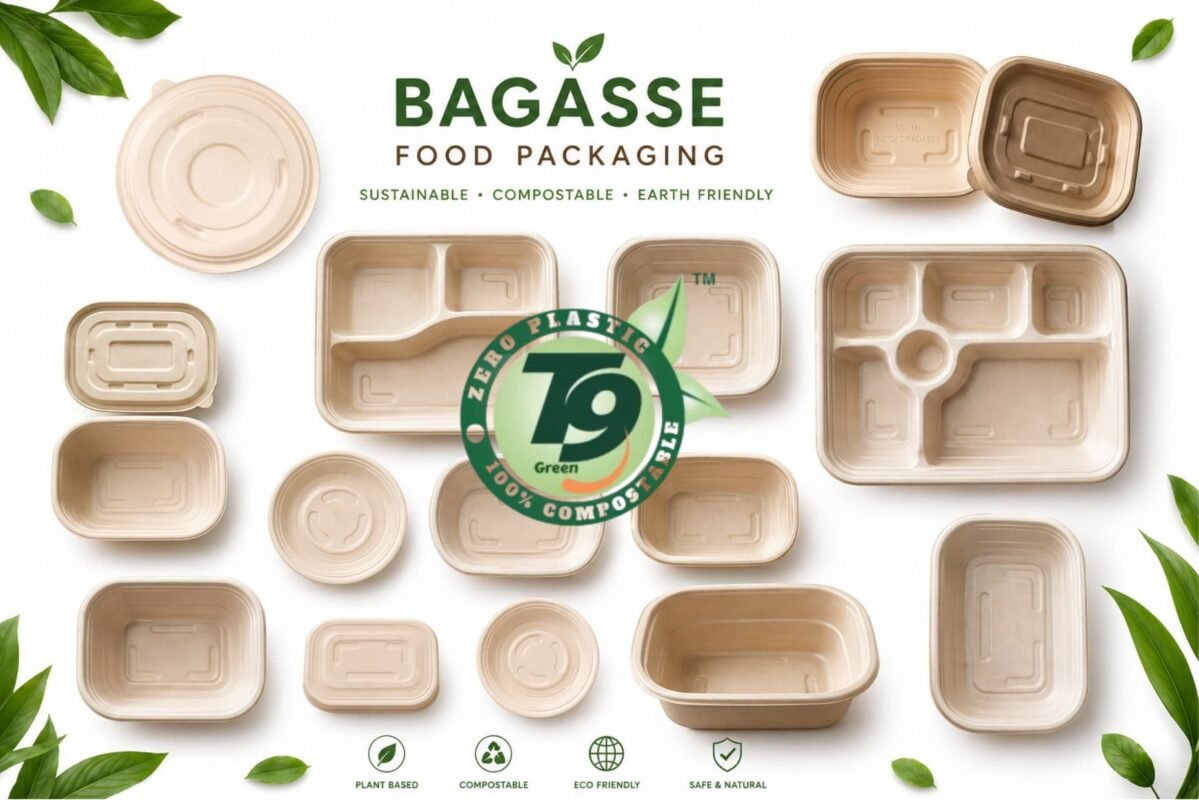
Advantages of Bagasse Tableware
- Premium & Aesthetic Look – Elegant natural finish perfect for food service and packaging.
- Eco-Friendly & Compostable – Completely biodegradable and non-toxic.
- Microwave & Refrigerator Safe – Withstands heat and cold without deformation.
- Leak-Proof & Sturdy – Ideal for liquid and greasy foods.
- Made from Agricultural Waste – Utilizes sugarcane by-products, reducing environmental waste.
- Reduces Carbon Footprint – Supports ESG and green compliance goals.
- No Plastic Coating or Chemicals – Safe for direct food contact.
Market Growth of Bagasse Tableware
The Indian sugarcane bagasse tableware market is experiencing rapid growth rising from USD 161.37 million in 2021 to a projected USD 365.21 million by 2030, growing at a CAGR of 9.5% (2022–2030).
This growth is driven by increased environmental awareness, corporate sustainability initiatives, and government regulations on plastic usage.
Government Support & Policy Push
The Indian government initiatives such as the ban on single-use plastics, Swachh Bharat Abhiyan, and Make in India are playing a crucial role in promoting eco-friendly product adoption.
 These policies are encouraging both businesses and consumers to embrace sustainable alternatives like bagasse tableware.
Future Outlook
With sustainability becoming a lifestyle choice rather than a short-term trend, the Indian bagasse tableware market is expected to continue its strong upward trajectory, reaching USD 365.21 million by 2030.
As more consumers and businesses move away from plastic, brands like T9 Green are leading the transition toward a cleaner, greener, and more responsible future.
Author: Sonam Singh
Sources:
https://www.un.org/sustainabledevelopment/blog/2023/08/explainer-what-is-plastic-pollution/


